
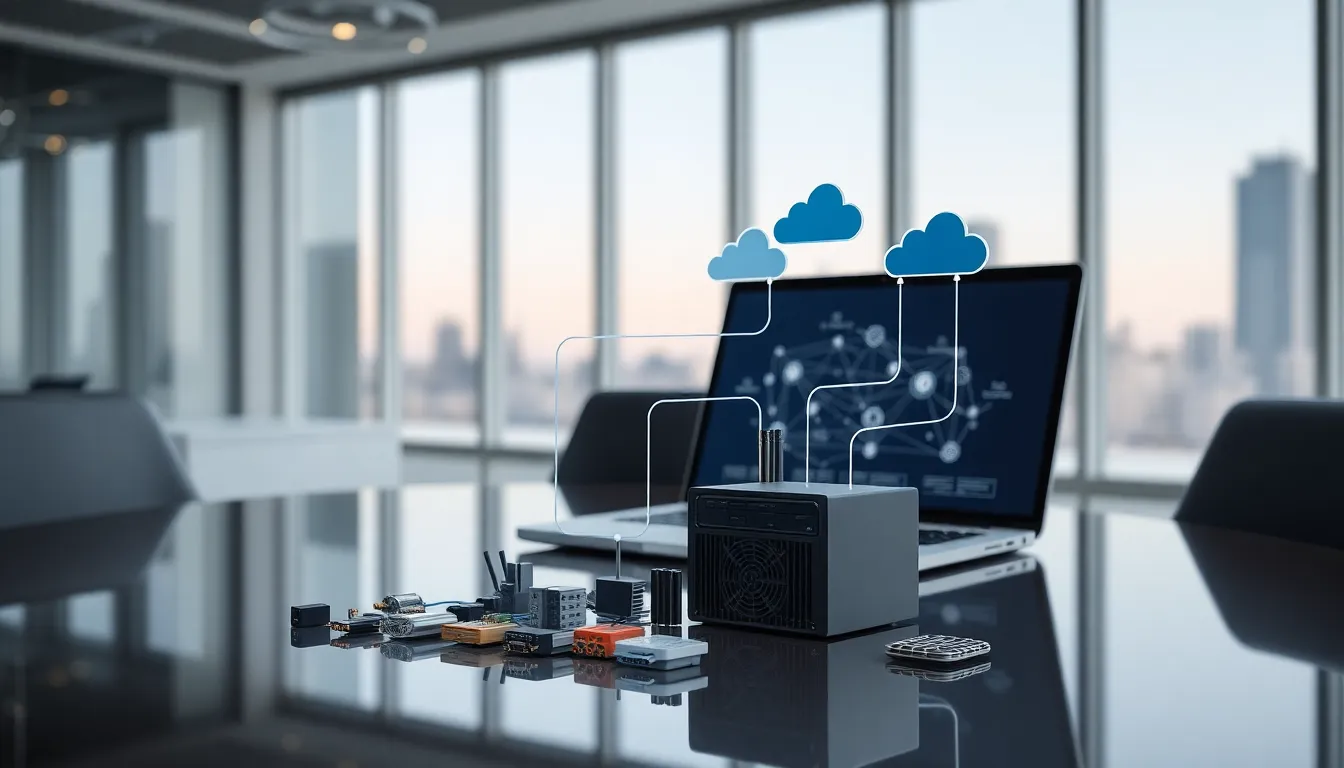
The internet of things vs. edge computing debate comes up often in tech discussions. Both technologies shape how businesses collect, process, and use data. But they serve different purposes and solve different problems.
IoT connects physical devices to the internet. Edge computing processes data closer to where it originates. Understanding the distinction matters for anyone building modern digital infrastructure.
This article breaks down what each technology does, how they differ, and when to use one over the other. By the end, readers will know exactly which approach fits their specific situation.
Table of Contents
ToggleKey Takeaways
- The internet of things (IoT) focuses on connecting devices and collecting data, while edge computing processes that data closer to its source for faster responses.
- IoT devices generate massive data volumes, but edge computing reduces bandwidth strain by analyzing information locally before sending only relevant data to the cloud.
- Applications requiring real-time decisions—like autonomous vehicles or industrial automation—need edge computing, while latency-tolerant tasks can rely on IoT-to-cloud architecture.
- Most modern enterprise deployments combine IoT and edge computing in a complementary three-tier architecture for optimal performance and cost efficiency.
- When choosing between these technologies, evaluate your latency requirements, data volume, connectivity reliability, and budget to determine the right approach.
What Is the Internet of Things?
The internet of things refers to a network of physical devices that connect to the internet and share data. These devices include sensors, cameras, thermostats, wearables, and industrial machines. Each device collects information from its environment and transmits it to other systems.
IoT devices range from simple temperature sensors to complex manufacturing equipment. A smart thermostat in a home is an IoT device. So is a fleet-tracking sensor in a delivery truck.
The core function of IoT is data collection and transmission. Devices gather information continuously. They send this data to central servers or cloud platforms for storage and analysis.
Key Characteristics of IoT
- Connectivity: Every IoT device maintains an internet connection
- Data generation: Devices produce constant streams of information
- Remote monitoring: Users can track device status from anywhere
- Automation: IoT enables systems to respond automatically to conditions
The internet of things has grown rapidly. Businesses use IoT for inventory management, predictive maintenance, and customer analytics. Healthcare organizations monitor patients remotely through connected devices. Cities deploy IoT sensors to manage traffic and energy consumption.
But, IoT creates challenges. Millions of connected devices generate massive amounts of data. Sending all this information to central servers causes bandwidth strain and latency issues.
What Is Edge Computing?
Edge computing processes data near its source rather than sending everything to a central location. The “edge” refers to the physical location where data originates, a factory floor, a retail store, or a vehicle.
Traditional computing models send all data to cloud servers for processing. Edge computing flips this approach. It handles data locally using nearby servers, gateways, or the devices themselves.
This architecture reduces the distance data must travel. Less distance means faster processing and quicker responses.
Key Characteristics of Edge Computing
- Local processing: Data analysis happens close to the source
- Reduced latency: Responses occur in milliseconds instead of seconds
- Bandwidth efficiency: Only relevant data moves to central systems
- Offline capability: Systems can function without constant cloud connectivity
Edge computing addresses problems that arise when devices generate more data than networks can handle. A self-driving car, for example, produces terabytes of data daily. It can’t wait for cloud servers to process this information. The car needs instant decisions to operate safely.
Manufacturing plants use edge computing to detect equipment failures immediately. Retailers analyze customer behavior in real time at store locations. Healthcare facilities process patient data on-site for faster diagnoses.
Core Differences Between IoT and Edge Computing
The internet of things vs. edge computing comparison often confuses people because these technologies frequently appear together. But they address fundamentally different aspects of data systems.
Purpose and Function
IoT focuses on connecting devices and collecting data. It answers the question: “How do we gather information from the physical world?”
Edge computing focuses on processing data efficiently. It answers the question: “Where should we analyze this information?”
One technology creates data. The other determines where that data gets processed.
Architecture
IoT architecture centers on connected devices communicating with central systems. Data flows from devices to cloud servers, where analysis and storage occur.
Edge computing architecture distributes processing power across multiple locations. Data analysis happens at various points between devices and central servers.
Data Handling
| Aspect | IoT | Edge Computing |
|---|---|---|
| Primary role | Data collection | Data processing |
| Data flow | Device to cloud | Processed locally first |
| Latency tolerance | Higher | Lower |
| Bandwidth usage | Higher | Lower |
Use Cases
Pure IoT applications work well when latency doesn’t matter much. Environmental monitoring, asset tracking, and utility metering fall into this category. These applications can wait seconds or minutes for data processing.
Edge computing becomes essential when speed matters. Autonomous vehicles, real-time video analytics, and industrial automation require instant responses. These applications can’t tolerate delays.
How IoT and Edge Computing Work Together
The internet of things vs. edge computing framing can be misleading. These technologies aren’t competitors. They complement each other in most modern implementations.
IoT devices collect data. Edge computing processes that data locally. Cloud systems handle long-term storage and complex analytics. This three-tier architecture has become the standard approach.
A Practical Example
Consider a smart factory. Hundreds of IoT sensors monitor equipment temperature, vibration, and performance. These sensors generate data continuously.
Without edge computing, all this data would travel to cloud servers. Network congestion would slow everything down. By the time analysis completed, equipment might already have failed.
With edge computing, local servers analyze sensor data instantly. They detect anomalies immediately and trigger alerts. Only summary data and flagged events travel to the cloud for broader analysis.
The IoT sensors still do their job, collecting information. Edge computing makes that information useful in real time.
Benefits of Integration
- Faster responses: Critical decisions happen locally
- Reduced costs: Less data transmission means lower bandwidth expenses
- Better reliability: Systems continue functioning during network outages
- Scalability: Organizations can add devices without overwhelming central infrastructure
Most enterprise IoT deployments now include edge computing components. The technologies have become intertwined.
Choosing the Right Approach for Your Needs
Selecting between IoT-only, edge-only, or combined architectures depends on specific requirements. Several factors guide this decision.
Consider Latency Requirements
Applications requiring instant responses need edge computing. If data can wait minutes or hours for processing, a simpler IoT-to-cloud architecture may suffice.
Ask: “What happens if there’s a one-second delay?” If the answer involves safety risks or significant business impact, edge computing becomes necessary.
Evaluate Data Volume
High-volume data sources benefit from edge processing. Filtering and analyzing data locally reduces transmission costs and storage requirements.
Video surveillance systems generate enormous amounts of data. Processing video at the edge, identifying relevant events and discarding routine footage, makes these systems practical.
Assess Connectivity
Locations with unreliable internet connections need edge capabilities. Edge systems continue operating during outages and sync with central servers when connectivity returns.
Remote industrial sites, ships at sea, and rural healthcare facilities often require this independence.
Budget Considerations
Edge infrastructure requires upfront investment in local hardware. Cloud-centric IoT approaches shift costs to ongoing operational expenses.
Smaller deployments might not justify edge investments. Large-scale implementations often find edge computing reduces total costs over time.
The internet of things vs. edge computing question rarely has a simple answer. Most organizations benefit from understanding both technologies and deploying them strategically.