
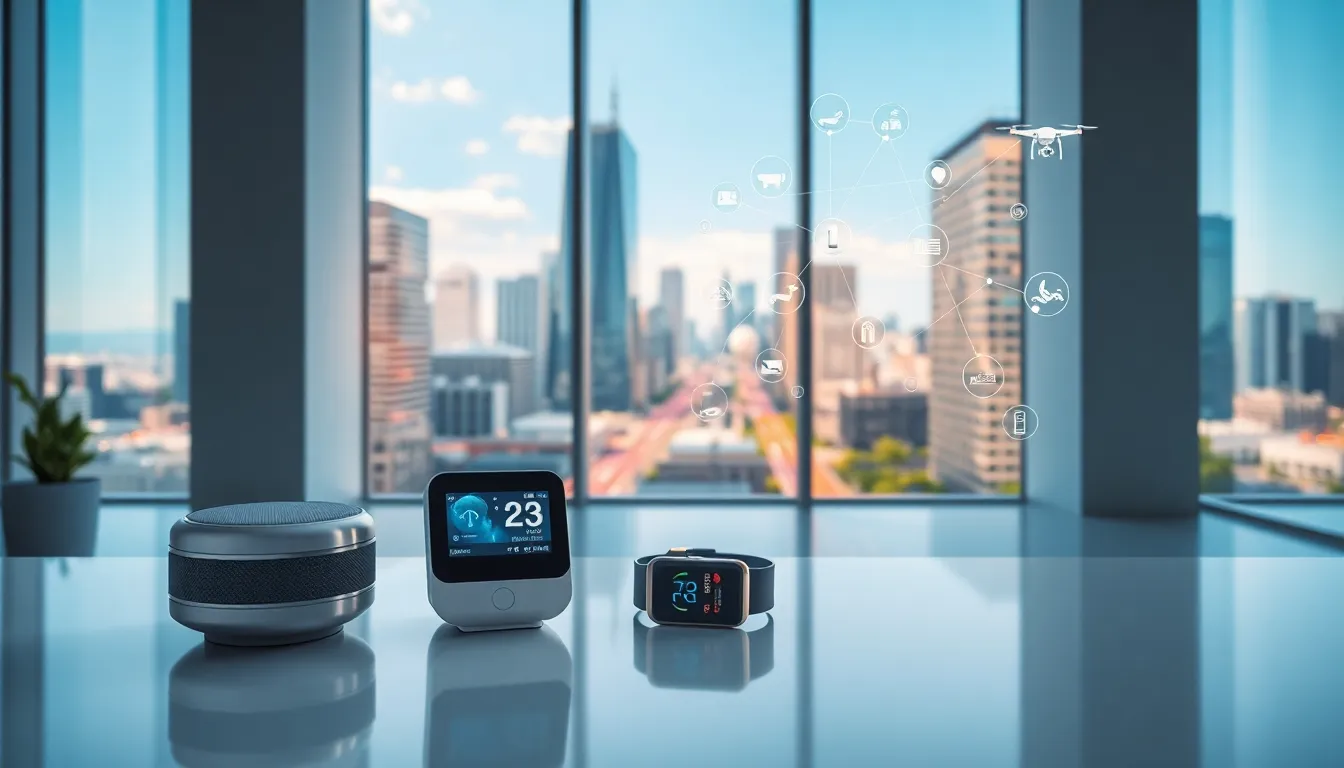
Internet of things examples surround us every day, often without us noticing. From the thermostat that learns your schedule to the fitness tracker on your wrist, IoT devices have become woven into modern life. The Internet of Things refers to physical objects embedded with sensors, software, and connectivity that allow them to collect and exchange data. By 2025, experts estimate over 75 billion connected devices will be active worldwide. This article explores real-world internet of things examples across homes, healthcare, industry, and cities. Each section highlights how IoT technology works and why it matters for consumers and businesses alike.
Table of Contents
ToggleKey Takeaways
- Internet of things examples span smart homes, wearables, healthcare, industrial applications, and smart city infrastructure.
- Smart thermostats and home security systems can reduce energy costs by 10-15% while providing remote control and automation.
- Wearable IoT devices like fitness trackers and smartwatches monitor health metrics and can detect serious conditions like irregular heart rhythms.
- Industrial IoT applications enable predictive maintenance that reduces unplanned equipment downtime by up to 50%.
- Smart city infrastructure uses IoT sensors to optimize traffic flow, reduce street lighting costs by 50%, and improve waste collection efficiency.
- By 2025, over 75 billion connected IoT devices are expected to be active worldwide, transforming how we live and work.
Smart Home Devices
Smart home devices represent some of the most familiar internet of things examples for everyday consumers. These connected gadgets automate household tasks and give homeowners remote control over their living spaces.
Smart Thermostats
Smart thermostats like the Nest Learning Thermostat and Ecobee adjust heating and cooling based on occupancy patterns. They use motion sensors and machine learning to optimize energy use. Homeowners can control temperatures from their smartphones, even when away. Studies show smart thermostats can reduce heating and cooling costs by 10-15% annually.
Voice Assistants and Smart Speakers
Amazon Echo and Google Home devices serve as central hubs for IoT ecosystems. Users issue voice commands to play music, check the weather, or control other connected devices. These speakers connect to smart lights, locks, and appliances through Wi-Fi or Bluetooth protocols.
Smart Security Systems
Connected doorbells like Ring and smart locks from August let homeowners monitor entry points remotely. Motion-activated cameras send alerts to smartphones when they detect activity. Users can lock doors, view live feeds, and communicate with visitors from anywhere with an internet connection.
Smart Appliances
Refrigerators now feature touchscreens and internal cameras that let owners check contents remotely. Smart washing machines send notifications when cycles finish. These internet of things examples save time and improve household efficiency through automation and connectivity.
Wearable Technology
Wearable technology has grown into one of the most personal categories of internet of things examples. These devices sit on the body and collect health, fitness, and lifestyle data continuously.
Fitness Trackers
Devices like Fitbit and Garmin trackers monitor steps, heart rate, sleep quality, and calories burned. They sync data to smartphone apps where users can track progress over time. Many employers and insurance companies now offer incentives for employees who meet fitness goals tracked by these devices.
Smartwatches
Apple Watch and Samsung Galaxy Watch combine fitness tracking with smartphone functionality. Users receive calls, texts, and app notifications on their wrists. Recent models include ECG monitors, blood oxygen sensors, and fall detection features. The Apple Watch has even been credited with alerting wearers to irregular heart rhythms before they experienced symptoms.
Medical Wearables
Beyond consumer fitness devices, medical-grade wearables monitor chronic conditions. Continuous glucose monitors help diabetics track blood sugar levels in real time. Wearable heart monitors detect arrhythmias and transmit data directly to healthcare providers. These internet of things examples bridge the gap between daily life and clinical care.
Industrial IoT Applications
Industrial IoT (IIoT) applications represent some of the highest-value internet of things examples in the business world. Factories, warehouses, and supply chains use connected sensors to improve efficiency and reduce downtime.
Predictive Maintenance
Sensors attached to machinery monitor vibration, temperature, and performance metrics. When readings fall outside normal ranges, systems alert maintenance teams before equipment fails. This approach reduces unplanned downtime by up to 50% and extends equipment lifespan. Manufacturing plants save millions annually by fixing problems before they cause production stoppages.
Supply Chain Tracking
GPS trackers and RFID tags follow products from factory to customer. Companies gain visibility into shipment locations, temperatures, and handling conditions. This data helps identify bottlenecks and ensures products arrive in proper condition. Pharmaceutical companies use cold chain monitoring to verify vaccines maintain safe temperatures during transport.
Smart Agriculture
Farmers deploy IoT sensors to monitor soil moisture, weather conditions, and crop health. Automated irrigation systems water fields based on real-time data rather than fixed schedules. Drones equipped with cameras survey large properties and identify problem areas. These internet of things examples help farmers increase yields while using less water and fewer pesticides.
Connected Healthcare Solutions
Connected healthcare solutions show how internet of things examples can improve patient outcomes and reduce costs. Hospitals and clinics increasingly rely on IoT devices for monitoring, diagnostics, and treatment.
Remote Patient Monitoring
Patients with chronic conditions use connected devices to share vital signs with doctors from home. Blood pressure cuffs, pulse oximeters, and weight scales transmit readings automatically. Healthcare providers review data dashboards and intervene when measurements indicate problems. This approach reduces hospital readmissions and allows earlier treatment of developing issues.
Smart Hospital Equipment
Hospitals track the location and status of equipment using IoT tags. Nurses spend less time searching for wheelchairs, IV pumps, and monitors. Asset tracking also ensures equipment receives proper maintenance and calibration. Some hospitals report saving hundreds of hours monthly through connected asset management.
Medication Management
Smart pill bottles remind patients to take medications and alert caregivers if doses are missed. Implantable drug delivery devices release precise amounts of medication on programmed schedules. These internet of things examples help patients follow treatment plans more consistently, especially among elderly populations managing multiple prescriptions.
Smart City Infrastructure
Smart city infrastructure demonstrates internet of things examples at the largest scale. Municipal governments deploy connected systems to manage traffic, utilities, and public services more effectively.
Intelligent Traffic Management
Sensors embedded in roads and cameras at intersections monitor vehicle flow. Traffic signals adjust timing based on real-time congestion data. Cities like Los Angeles and Singapore have reduced travel times by 15-20% through adaptive signal control. Connected parking systems guide drivers to available spaces, cutting the time spent circling for parking.
Smart Street Lighting
LED streetlights with sensors dim when no pedestrians or vehicles are present. They brighten automatically when motion is detected. Cities save up to 50% on lighting energy costs while maintaining safety. Some smart lights also include air quality sensors and public Wi-Fi hotspots.
Utility Management
Smart meters track electricity, gas, and water consumption in real time. Utilities detect leaks and outages faster than traditional systems allow. Consumers receive detailed usage data that helps them reduce waste. Smart grid technology balances electrical load across the network and integrates renewable energy sources more efficiently.
Waste Management
Sensors in trash bins report fill levels to collection services. Garbage trucks follow optimized routes that skip empty bins and prioritize full ones. Cities reduce fuel costs and emissions while keeping streets cleaner. These internet of things examples show how IoT can improve municipal operations at scale.