
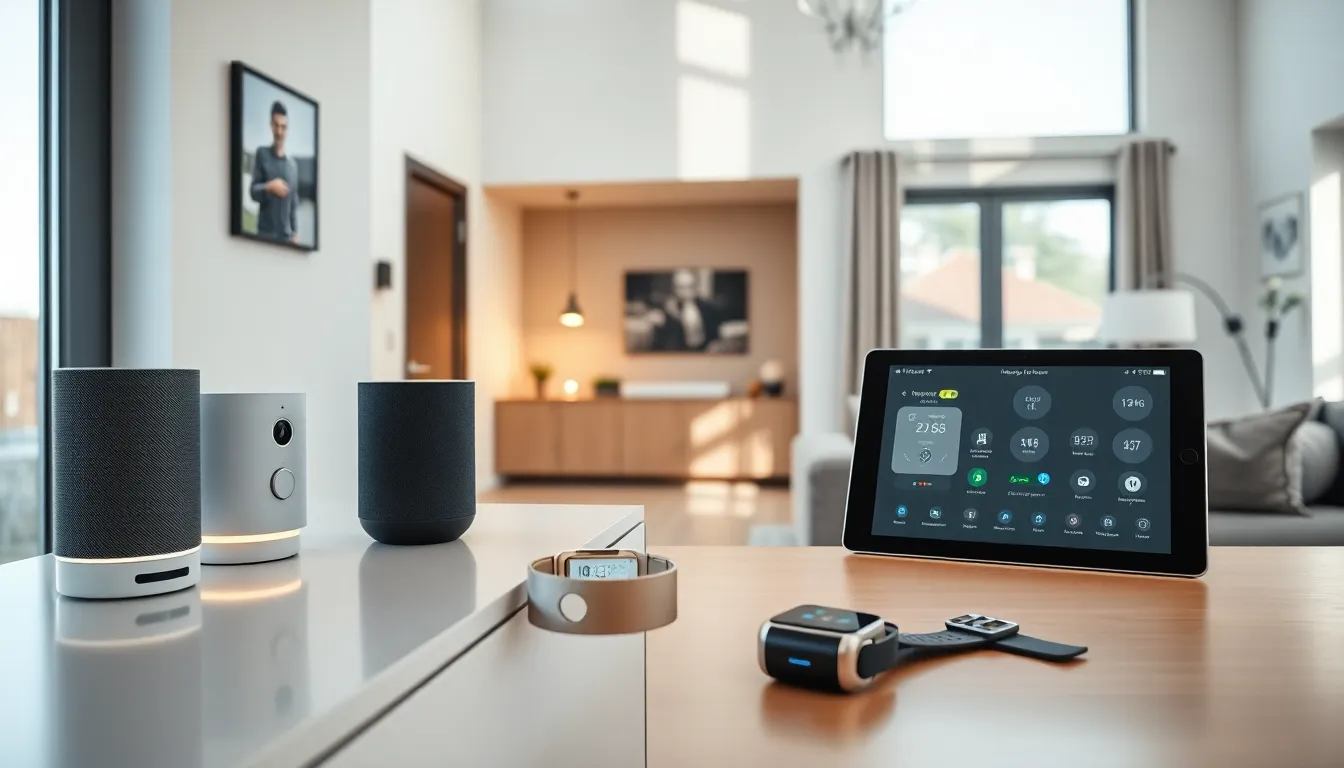
The best Internet of Things devices can transform how people live, work, and stay safe. IoT technology connects everyday objects to the internet, allowing them to communicate and automate tasks. From smart thermostats to wearable fitness trackers, these devices offer convenience, efficiency, and peace of mind. This guide covers the top IoT devices available today, including options for home automation, wearables, and security systems. Readers will learn what makes each category valuable and how to select the right products for their needs.
Table of Contents
ToggleKey Takeaways
- The best Internet of Things devices span home automation, wearables, and security systems to enhance convenience, health tracking, and safety.
- Smart thermostats can reduce energy bills by 10-15% annually by learning household schedules and adjusting temperatures automatically.
- Wearable IoT devices like fitness trackers and smartwatches monitor health metrics including heart rate, sleep patterns, and blood oxygen levels.
- Security-focused IoT solutions include smart cameras with AI-powered detection, video doorbells, and smart locks that integrate with other connected devices.
- When choosing Internet of Things devices, prioritize ecosystem compatibility, security features, and long-term subscription costs.
- New users should start small with a smart speaker and one compatible device before building a complete IoT system.
What Is the Internet of Things?
The Internet of Things refers to a network of physical devices that connect to the internet and share data. These devices include everything from refrigerators and light bulbs to industrial sensors and medical equipment. Each IoT device contains sensors, software, and connectivity features that allow it to collect and transmit information.
IoT technology works through a simple process. A device gathers data from its environment, such as temperature, motion, or heart rate. It then sends that data to a cloud server or local hub. Users can access this information through apps or voice assistants. They can also set automations that trigger specific actions based on the data received.
The best Internet of Things systems create seamless connections between multiple devices. A smart home might link thermostats, lights, locks, and cameras into one unified platform. This integration allows devices to work together. For example, a motion sensor can trigger lights to turn on and send an alert to a security camera.
IoT adoption continues to grow rapidly. Experts project billions of connected devices will be active worldwide by 2030. This growth spans consumer products, healthcare, manufacturing, and agriculture. Understanding IoT basics helps consumers make informed choices about which devices fit their lifestyle.
Top IoT Devices for Home Automation
Home automation represents the most popular use of IoT technology for consumers. The best Internet of Things devices for home automation simplify daily routines and reduce energy costs.
Smart Thermostats
Smart thermostats like the Google Nest and Ecobee learn household schedules and adjust temperatures automatically. They can detect when residents leave and lower heating or cooling to save energy. Most models reduce energy bills by 10-15% annually. Users control these devices through smartphone apps or voice commands.
Smart Lighting
Philips Hue and LIFX offer smart bulbs that users can dim, schedule, and change colors remotely. These lights integrate with voice assistants like Alexa and Google Assistant. Motion-activated settings add convenience and security. Smart lighting systems also support automation routines, lights can turn on at sunset or flash when a doorbell rings.
Smart Speakers and Displays
Amazon Echo and Google Nest Hub devices serve as central controllers for IoT ecosystems. They respond to voice commands, play music, answer questions, and control other connected devices. Smart displays add visual features like video calls and recipe displays. These devices act as the hub that connects various Internet of Things products throughout the home.
Smart Plugs
Smart plugs turn ordinary appliances into connected devices. They allow users to control lamps, fans, and coffee makers through apps or voice commands. Many smart plugs track energy usage, helping households identify power-hungry appliances. Brands like TP-Link Kasa and Wemo offer affordable options with strong reliability.
Best Wearable IoT Technology
Wearable IoT devices track health metrics and keep users connected on the go. The best Internet of Things wearables combine accurate sensors with user-friendly interfaces.
Fitness Trackers
Fitbit and Garmin lead the fitness tracker market. These devices monitor steps, heart rate, sleep patterns, and calories burned. Advanced models track blood oxygen levels and stress indicators. Fitness trackers sync with smartphone apps that display trends and offer personalized health insights.
Smartwatches
The Apple Watch and Samsung Galaxy Watch offer fitness tracking plus smartphone features. Users can receive notifications, make calls, send texts, and use apps directly from their wrist. Health features include ECG monitoring, fall detection, and emergency SOS functions. These watches work as standalone IoT devices or companions to smartphones.
Health Monitors
Specialized wearables track specific health conditions. Continuous glucose monitors help diabetics manage blood sugar. Smart rings like Oura track sleep quality and recovery. Blood pressure monitors and pulse oximeters connect to apps for long-term health tracking. These Internet of Things devices provide data that users can share with healthcare providers.
IoT Solutions for Security and Monitoring
Security represents a major category for IoT adoption. The best Internet of Things security devices protect homes and provide peace of mind.
Smart Cameras
Ring, Arlo, and Google Nest cameras offer indoor and outdoor surveillance. They feature motion detection, night vision, and two-way audio. Cloud storage preserves video footage for review. Many cameras use AI to distinguish between people, animals, and vehicles. This reduces false alerts and improves accuracy.
Video Doorbells
Smart doorbells like Ring Video Doorbell and Google Nest Doorbell show visitors before homeowners answer. They record video clips when motion occurs and allow two-way communication. Package detection alerts notify users when deliveries arrive. These devices deter porch theft and let residents screen visitors remotely.
Smart Locks
August, Schlage, and Yale produce smart locks that eliminate the need for physical keys. Users unlock doors with smartphones, codes, or fingerprints. Guest access features let homeowners create temporary codes for visitors. Many smart locks integrate with other IoT devices, unlocking the door can trigger lights to turn on.
Comprehensive Security Systems
Brands like SimpliSafe and Ring Alarm offer complete Internet of Things security packages. These systems include sensors for doors, windows, and motion. Professional monitoring services provide 24/7 response to alerts. DIY installation makes setup accessible for most homeowners.
How to Choose the Right IoT Devices
Selecting the best Internet of Things devices requires evaluating several factors. Compatibility, security, and budget all influence the right choice.
Check Ecosystem Compatibility
IoT devices work best when they communicate with each other. Before purchasing, users should verify compatibility with their existing smart home platform. Apple HomeKit, Google Home, and Amazon Alexa each support different device ranges. The Matter standard, launched in 2022, aims to unify IoT devices across platforms.
Prioritize Security Features
Connected devices create potential entry points for hackers. Buyers should look for products with regular software updates, two-factor authentication, and encrypted data transmission. Established brands typically offer better security support than unknown manufacturers.
Consider Long-Term Costs
Some IoT devices require subscriptions for full functionality. Cloud storage for security cameras, professional monitoring for alarms, and premium app features often carry monthly fees. Buyers should factor these ongoing costs into their budget.
Read User Reviews
Real-world feedback reveals reliability issues that specifications cannot show. Reviews highlight connection problems, app quality, and customer support experiences. They help buyers avoid products with known flaws.
Start Small
New IoT users benefit from starting with one or two devices before building a full system. This approach allows learning without overwhelming complexity. A smart speaker and one compatible device make a good starting point.